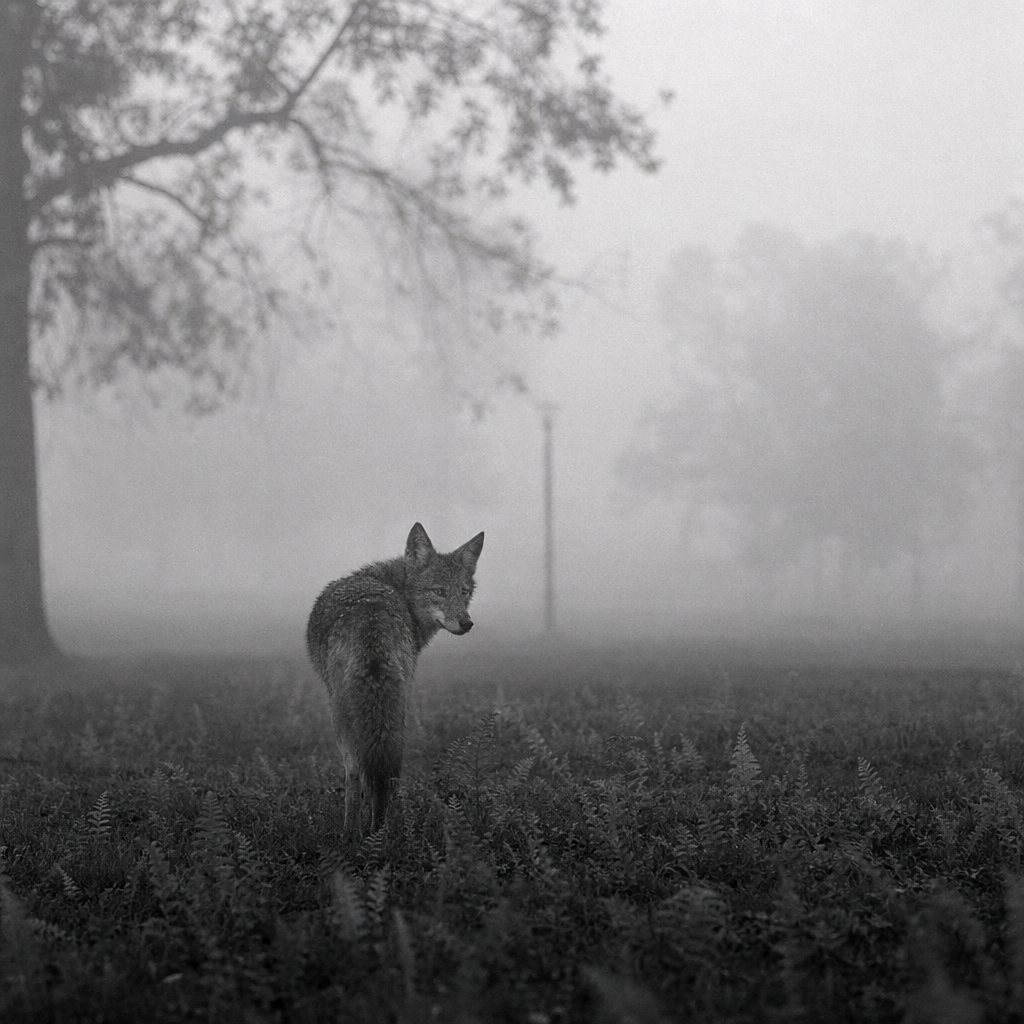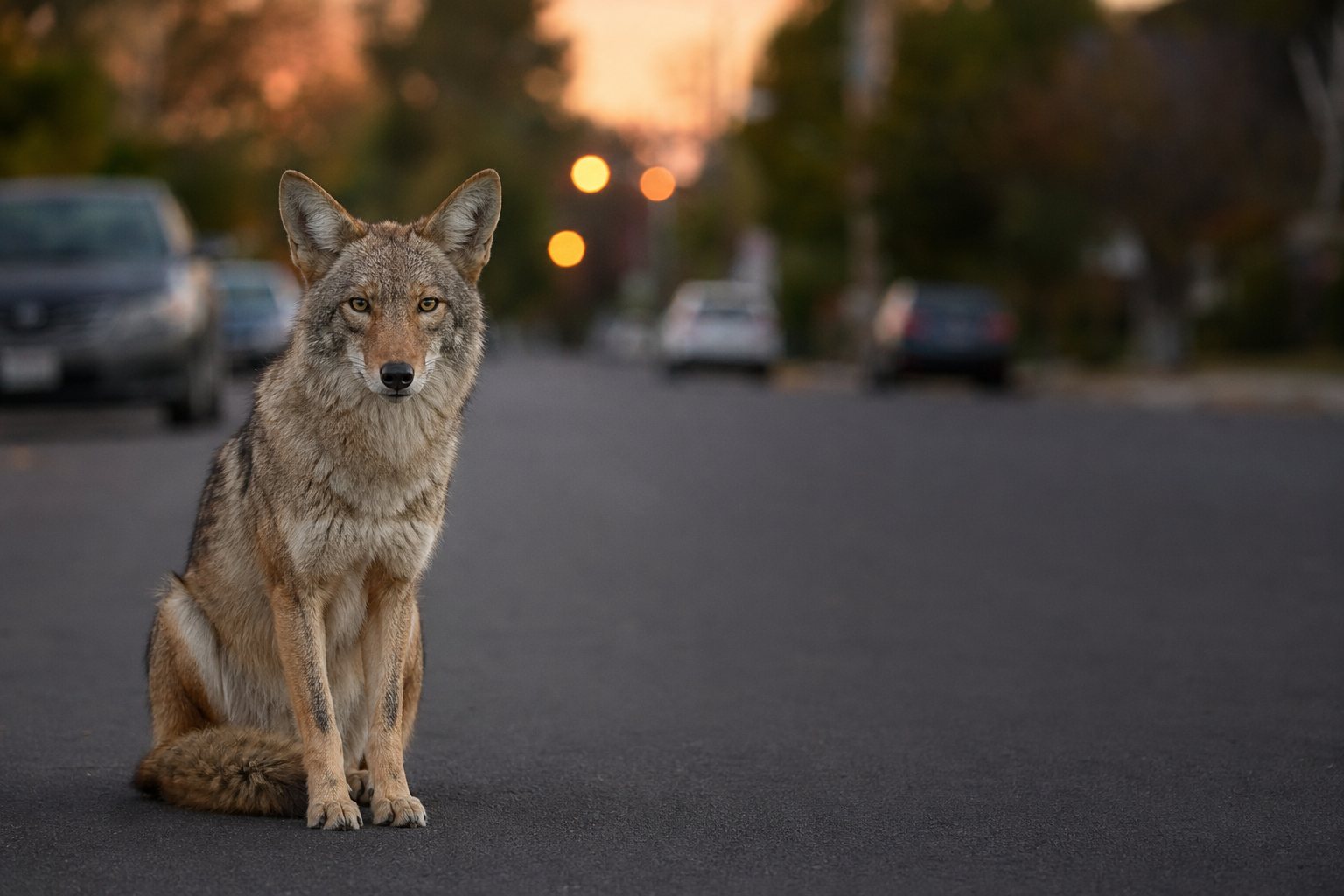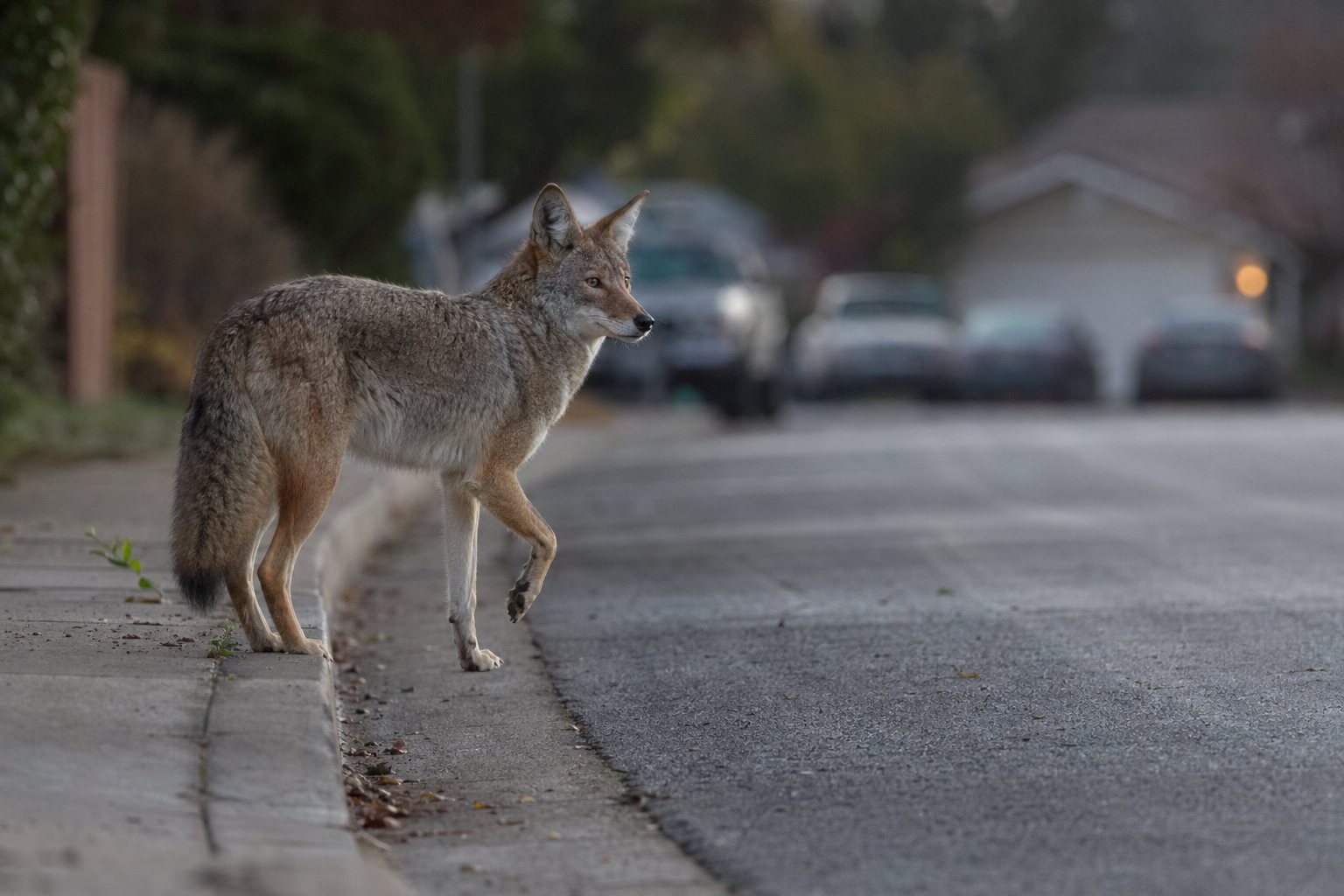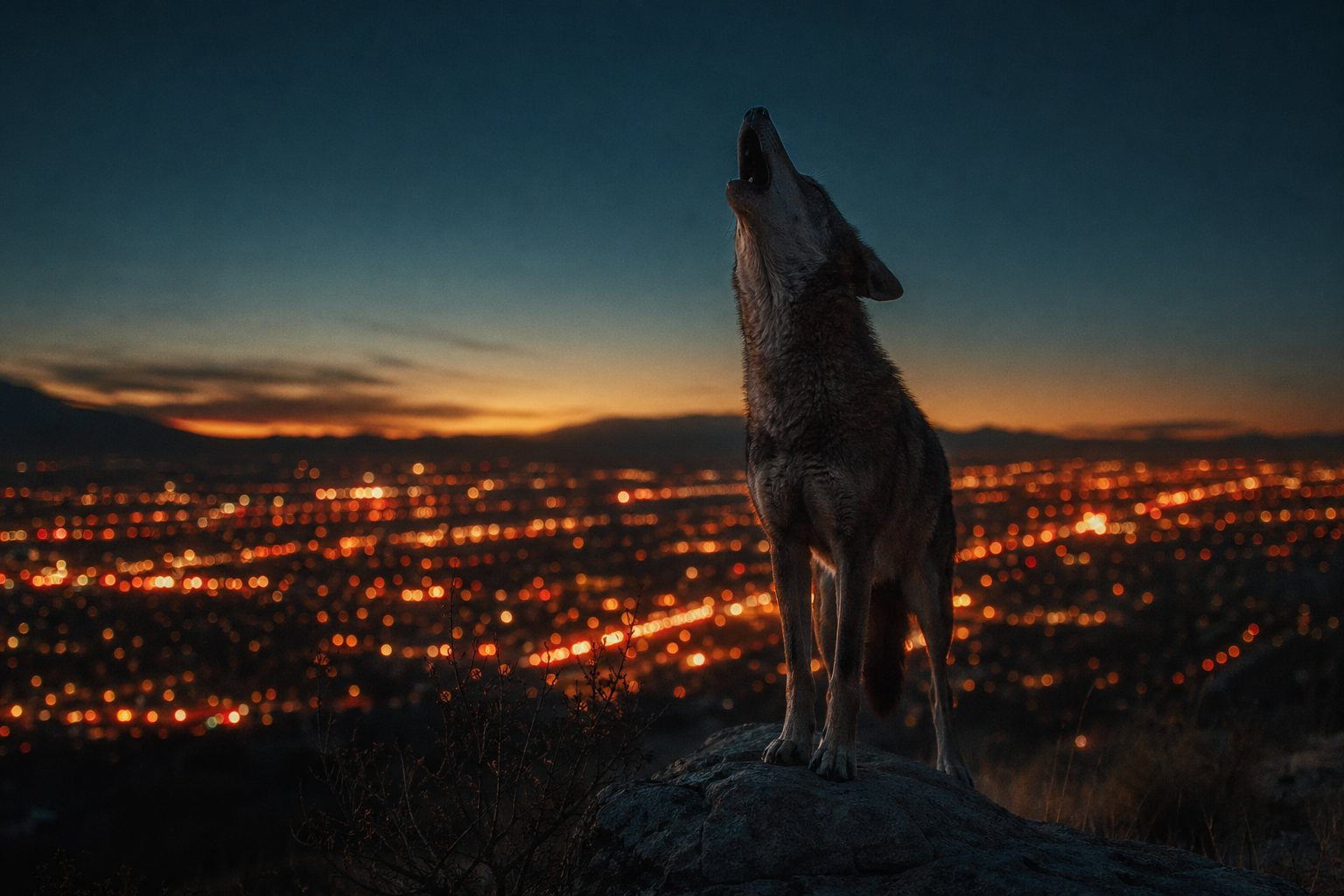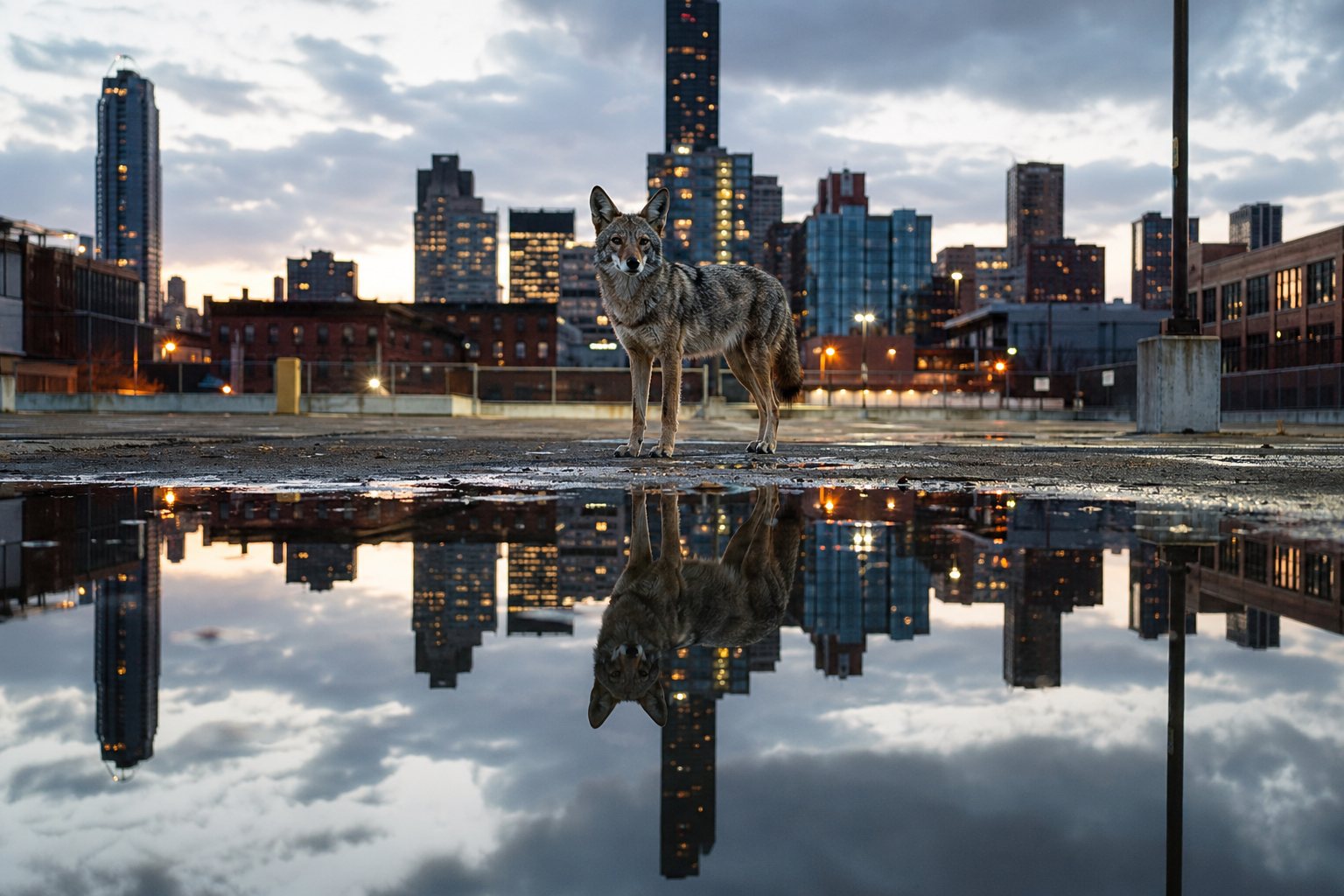
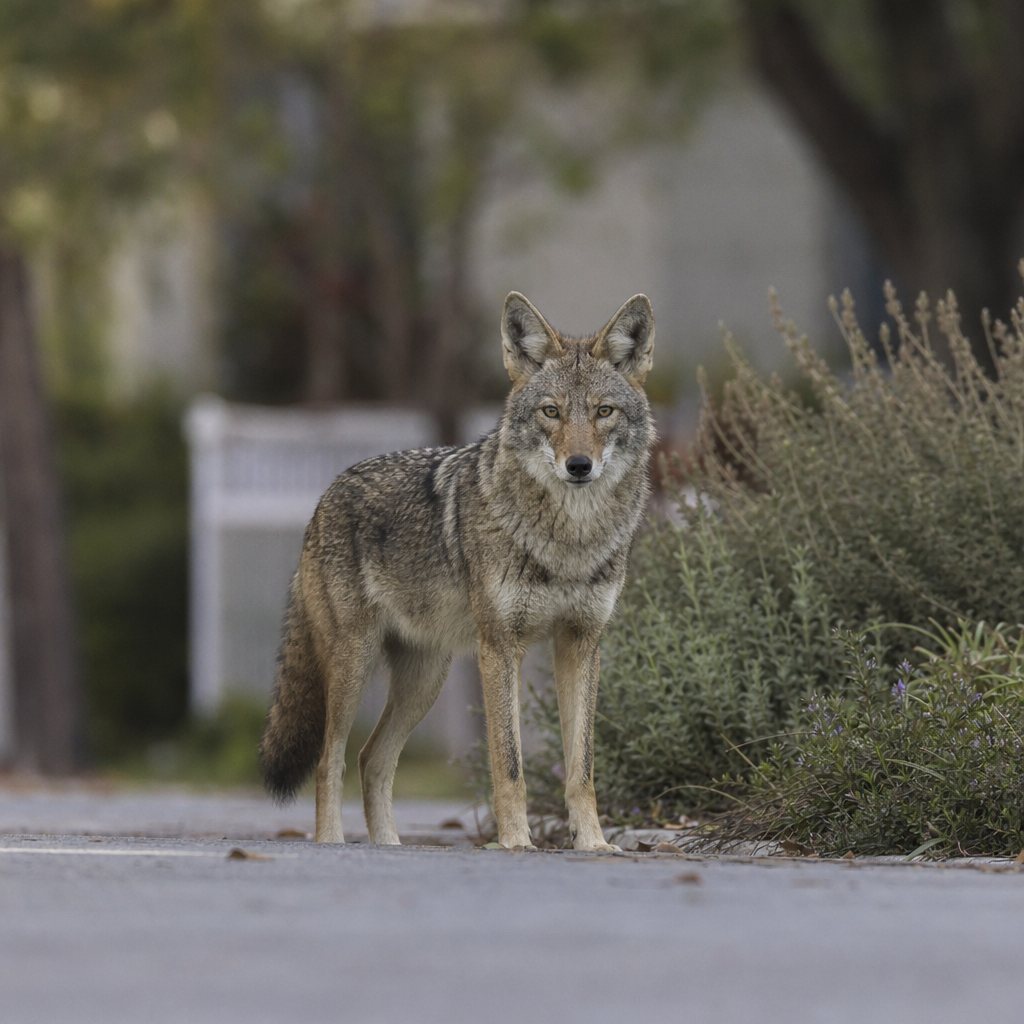
Cunning. Social. Careful. Opportunistic. Faithful. Adaptive. Shy.
Successful.
Hated.
Coyotes are perhaps the most controversial and divisive species on the North American continent along with their cousin, the wolf. They are certainly the most vilified, even more so than wolves, simply because they manage to still exist in large and growing numbers, and in areas we assumed long free of wildlife larger than raccoons. After all, it’s easier to profess one’s love and admiration for a carnivore when it lives off in the woods in another state. It’s a bit more difficult when that carnivore lives in city parks and the hedgerows of suburban backyards.
Though coyotes are of very little threat to a human’s personal safety, urban residents fear for their small dogs at the end of the leash, or the cats let outside for the day, or, more irrationally, the children playing on the front lawn. Outside of the city, hunters fear for the population of deer that they want to hunt themselves, and ranchers fear for their newborn lambs and calves.
In an attempt to control coyotes, we’ve thrown more at them than even the Acme catalog could hold: M44 traps that shoot cyanide into their mouths, collars on sheep that blast compound 1080 into their mouths when punctured, leg- and neck-hold traps of every description, wire snares that kill in the most cruel ways, we gas pups in their dens, shoot adults from airplanes, and the list goes on. Gun and hunting clubs regularly hold coyote-killing contests, with prizes going to whomever kills the most coyotes in a given amount of time — often on both public and private land. It is legal to kill coyotes anywhere at any time of year, as they are considered a nuisance species. Since 2000, the U.S. Department of Agriculture’s own Wildlife Services has killed 1.1 million coyotes and counting. And yet, through all this, coyotes have not only persisted but they have expanded their range on a monumental scale. The Wile E. Coyote cartoon had something right; the coyote can get clobbered but he just keeps coming back to life.
Looking at the species through the lens of everything it has overcome, there is another descriptor we can give the coyote: Inspirational.
Humans have managed to extirpate and drive to the cliff-edge of extinction many other land-based predators, from grizzly bears to wolves to cougars. But not the coyote. In fact, humans have inadvertently made it down right easy for the coyote to expand its range from the southwest and plains to nearly every corner of the North American continent.
First, we killed off those predators that kept it in check, primarily wolves. Then we cut down the forests to create prairie-like farmland, lawn-covered suburbs, and cities, all of which teem with the rodents, rabbits, insects and even fruit that coyotes thrive upon. Meanwhile our infrastructure provides shelter; everything from sheds to storm drains to shrubs in city parks provide cover and hiding spots for dens. They even utilize roads to quickly cover ground along territory lines. The more wilderness we converted, the easier we made it for coyotes, who are now living with us right in the center of cities populated with millions of humans.
Of all the large and medium-sized predators on the continent, the coyote is the only one to thrive in the face of human persecution, rather than be pushed to the very edges of minuscule ranges or disappear entirely like other species. How has it managed this feat? Science is only beginning to turn a spotlight onto the species in a meaningful way. And the timing couldn’t be more critical.
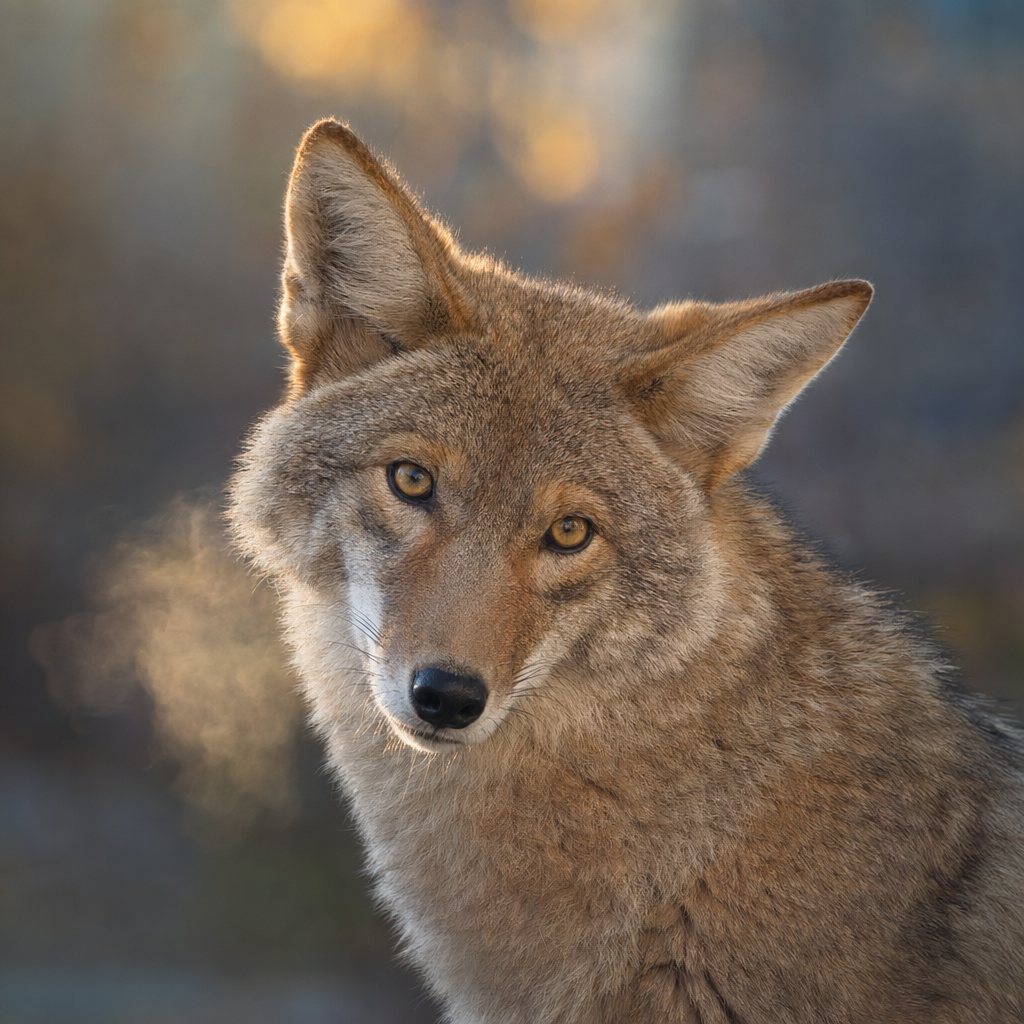
Common animals tend to be ignored by science until they present a problem. Every day, news articles are posted about the “growing coyote problem” as residents of suburban and urban areas become more aware of the coyotes living among them, and more fearful. Worry and concern is on the rise, but so too is interest in urban ecology and the study of animals that utilize ecosystems so heavily altered and influenced by humans.
Though the natural history of coyotes in general was mostly ignored until only the last few decades, the natural history of urban coyotes is even younger. The longest running study of urban coyotes is only 15 years old — the Urban Coyote Research Program in Cook County, Illinois, run by Stanley Gehrt, an associate professor of wildlife at the Ohio State University. He trapped the first coyote for the study in 2000 and has been trapping, collaring and tracking Chicago's urban coyotes ever since.
Since then, a handful of other urban coyote studies have popped up, from the Geography Department at Portland State University in Oregon to the research of Dr. Jonathan Way in the northeast, to a more recent project by two researchers at the University of Wisconsin-Madison and a new large-scale study by University of Georgia's Warnell School of Forestry and Natural Resources which will collar and track coyotes across three states in both rural and suburban areas.
One of the reasons for the growing interest isn't simply coyotes moving into cities, but also that they are relatively new residents of most of the continent in general. Once wolves were killed off, many areas of the country forgot what it was like to have a larger canid predator around, and ecologists are curious about how the presence of coyotes are affecting ecosystems.
Our focus with this project, though, is the city-dwellers. The more coyotes are noticed by urbanites, the more researchers are taking interest to understand how to minimize conflict and maximize peaceful coexistence. Why coexist? Because as coyotes have shown us, they aren’t going anywhere, and typically cause little or no trouble in urban areas. In fact, they have direct benefits of which we can take advantage.
While many urban residents are busy fearing coyotes, few understand or appreciate the unique and important niche coyotes fulfill in urban ecosystems. What research has discovered so far is that urban coyotes help protect us from the prevalence of disease spread by rodents and smaller mammals. They balance out the ecosystem by protecting songbirds from an overabundance of both native predators like skunks and raccoons, and introduced predators like feral cats. In both urban, suburban and semi-rural areas, coyotes play a role in slowing the growth of deer populations (a primary carrier of ticks that spread Lyme disease) and they can help control Canada geese numbers, which can become overabundant especially in habitat coyotes love such as golf courses.
But exactly what kind of benefits and how far they extend (and on the flip side of the coin, exactly what problems coyotes present) researchers are still learning. They are also learning just how coyotes have adapted to city life and what to expect from these urban residents, which will allow us to better understand how to avoid conflict and the creation of “problem coyotes.”
Coyotes have their role to play, restoring a good deal of balance despite the traps, poisons and guns we aim at them, which makes them a creature to deeply admire. Their ability to thrive under adversity, their brilliance at problem solving, their adaptability in finding food sources and new territories, their ability to stay mostly out of sight despite being an animal weighing 20 to 35 pounds and living in an urban setting, is something that few other species could possibly ever achieve. Coyotes have adapted to living among us, even in the most dense forests of skyscrapers and suburban homes, and are getting better at it every day. How have they managed to do this, and how are they changing as a species? There are many fascinating questions to be answered.
In a way, we could consider this is the modern version of what the domestication of dogs looked like: wild canids coming closer to and thriving off of man-made settlements. Thousands upon thousands of years ago, we figured out an advantage of having these wolves with us for hunting, protection, and working livestock. Canis lupus turned into Canis lupus familiaris, the domestic dog, a species with whom we've co-evolved in many ways. Today, Canis latrans — the smaller canid cousins of wolves and the more careful, cunning cousins of domestic dogs — are repeating that ancient history. Though it is unlikely coyotes will ever evolve into household companions, it is a second opportunity for us to see the ecological benefits of having wild canids in our backyards and to coexist with them so that we can reap the rewards of their presence without risk to our pets, ourselves or our families, or to coyotes, who are now and forever our neighbors whether we like it or not.
The goal of The Natural History of the Urban Coyote project is to document the lives of these amazing, adaptive city-dwelling coyotes, shedding light on the reality of their fascinating lives while exploring and explaining information gathered by researchers as new science is published. Science dispels myths, and we can learn how to coexist and benefit from the presence of coyotes, without fear and without ineffectual, inhumane, and indiscriminate killing and trapping.
If there is a single animal on this planet who will test our own mettle as a species, who pushes us to question our ability to understand instead of judge, to study instead of kill, to coexist instead of dominate, to become more thoughtful and less fearful, it is the coyote.
We have much to learn.